Borderline: Spirituality in Translation
Below Grand, New York, NY
Curated by Severin Delfs ft. Audrey Bialke, Audrey Flack, Ben Cowan, Billy Jacobs, Blake O'brien, Damjanski, Mack Sikora, Melanie Berardicelli, Petra Szilagyi, Sofia Love, Wes Winters
Aug. 22 — Sept. 26, 2026
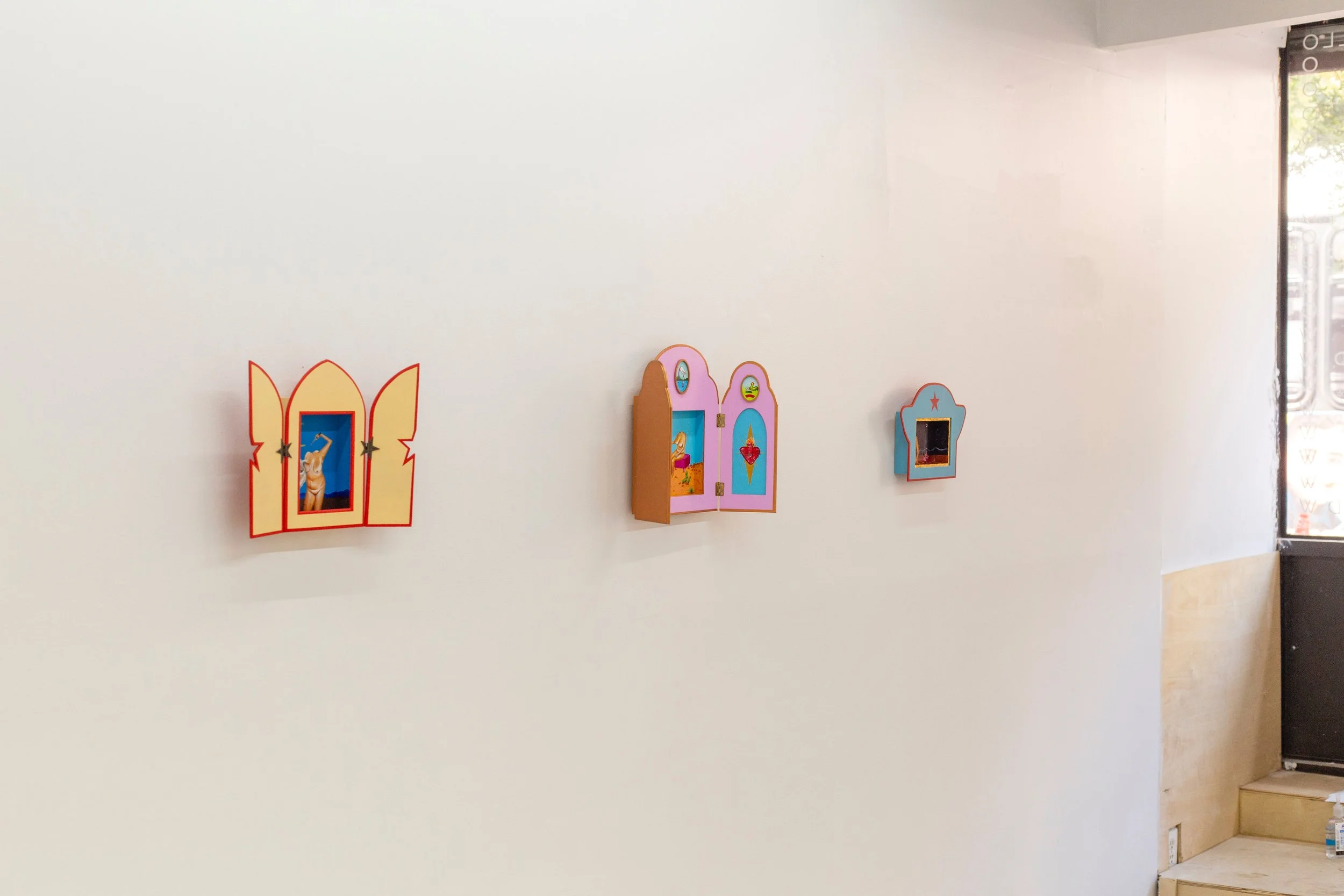
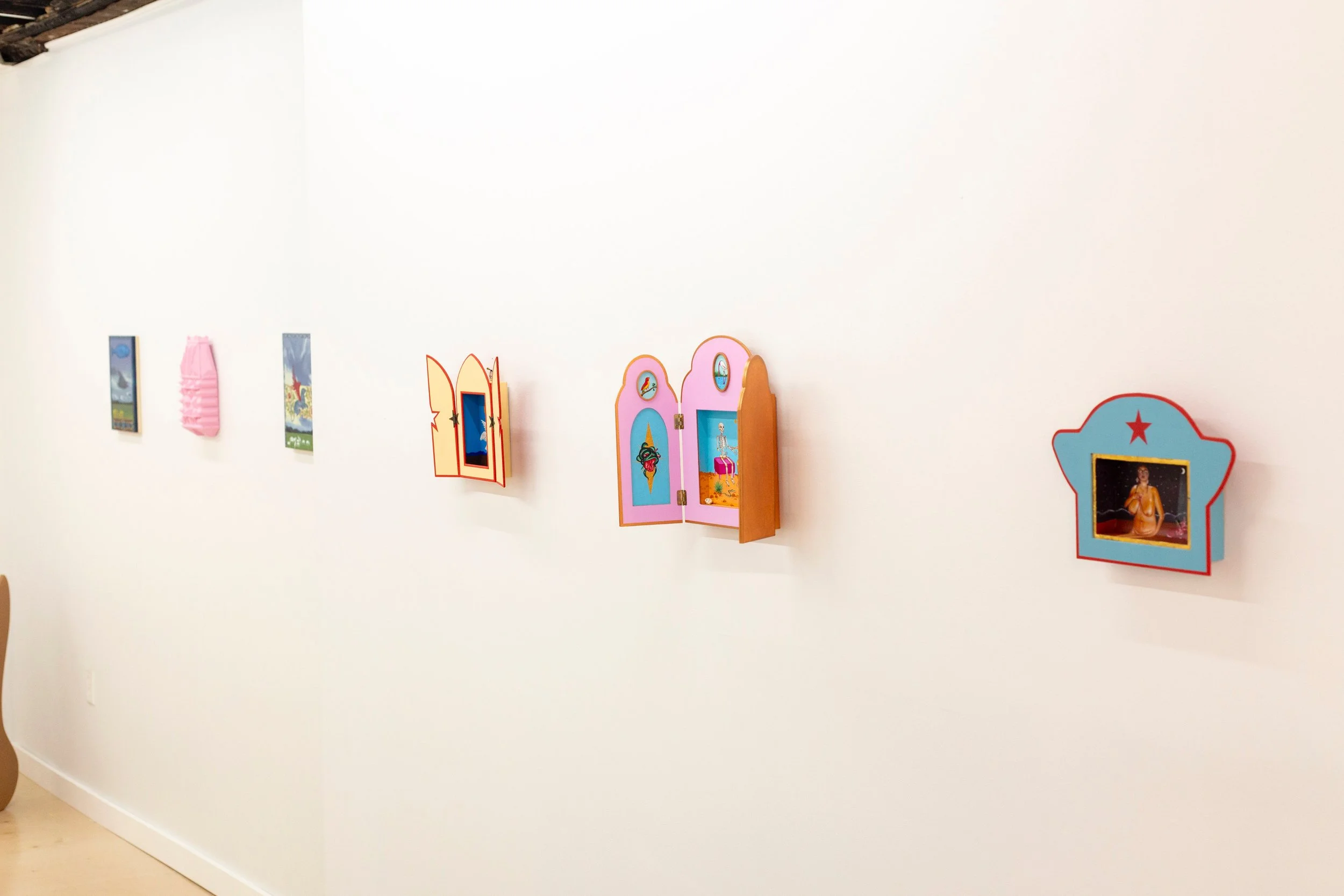
Below Grand is pleased to present Borderline: Spirituality in Translation, a group exhibition examining how the visual language of religion persists, mutates, and takes on new meaning within contemporary art. Bringing together eleven artists across generations and practices, the exhibition considers the sacred not as a fixed system of symbols, but as a visual and material language continually being borrowed, fragmented, secularized, and remade.
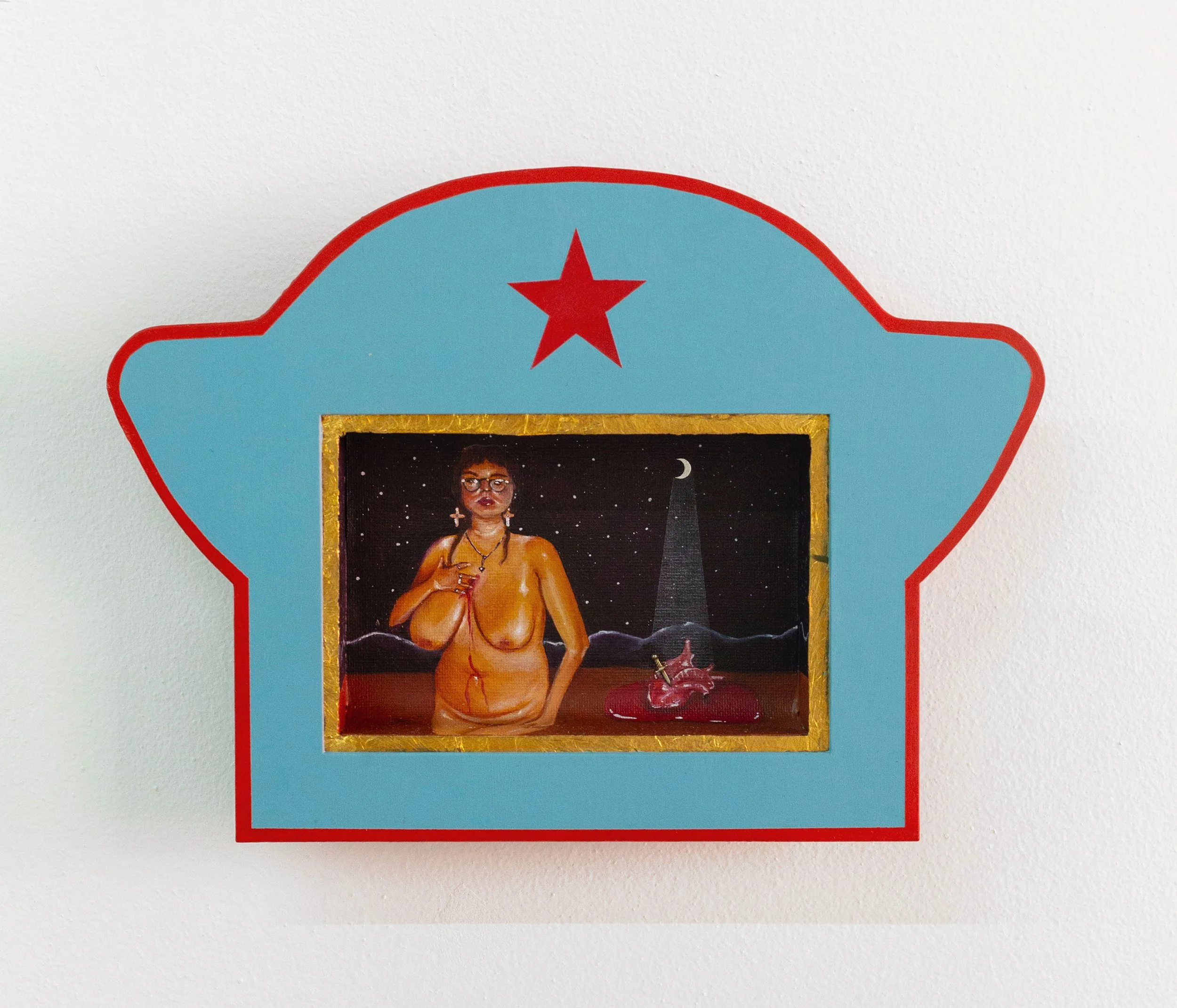
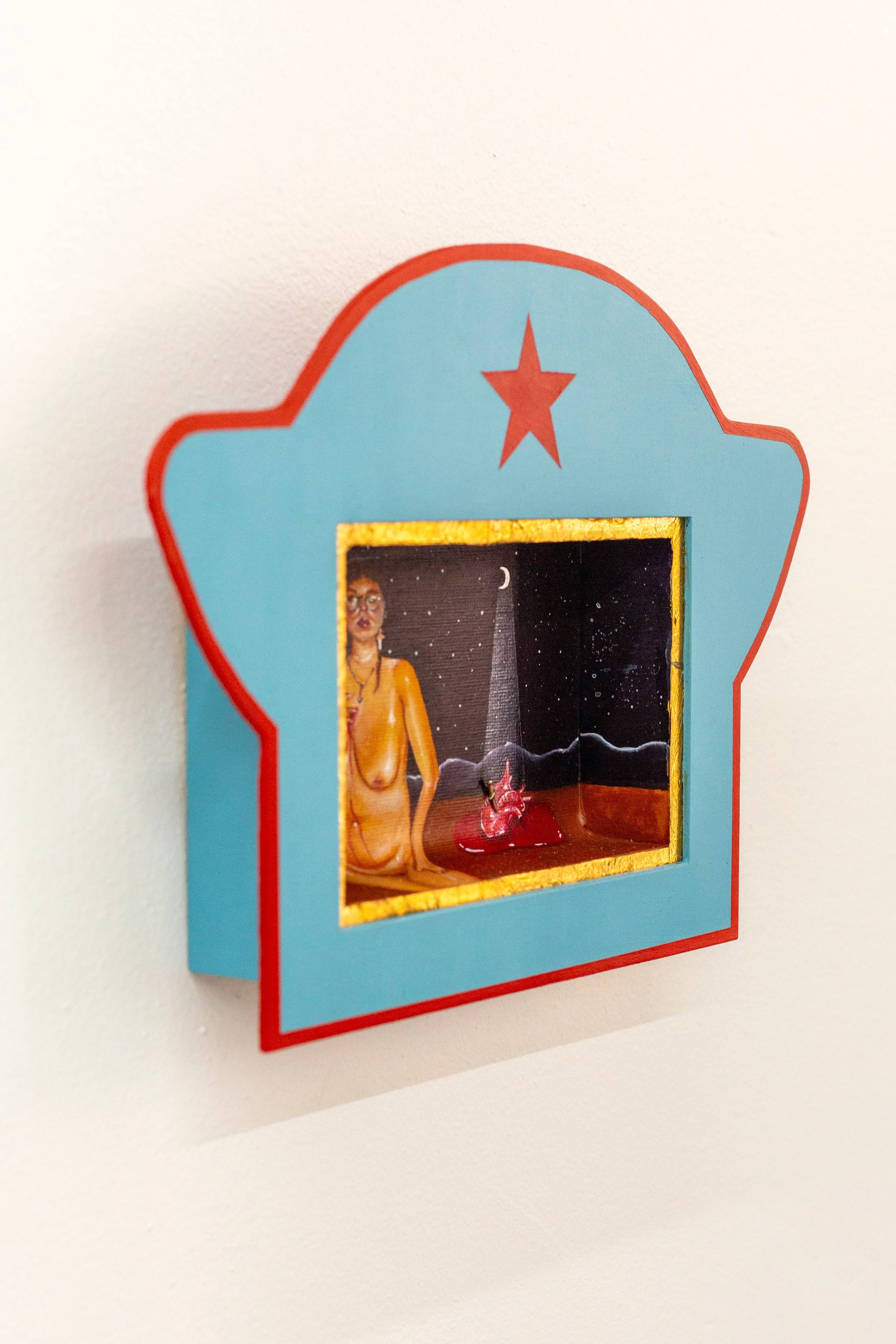
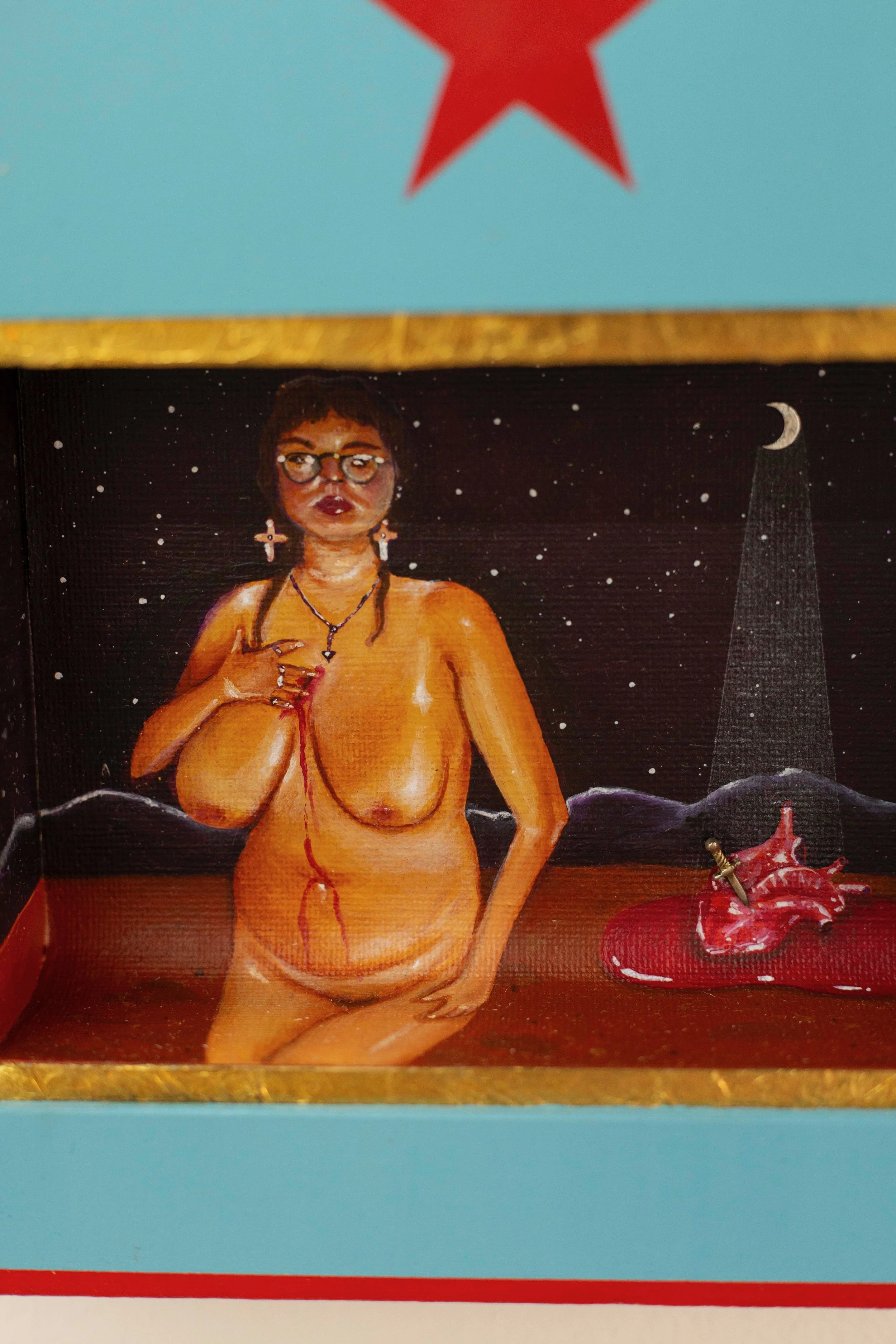
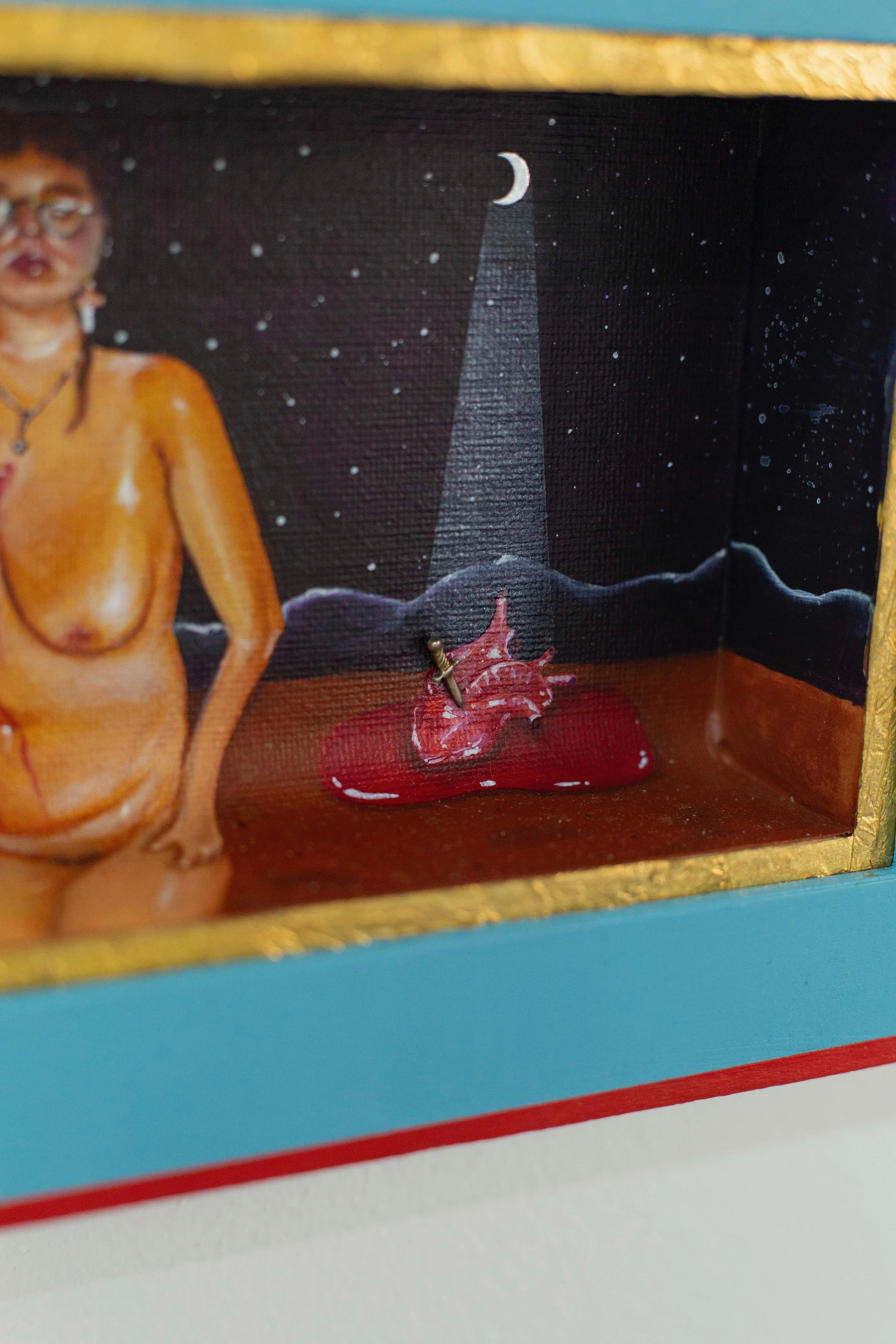
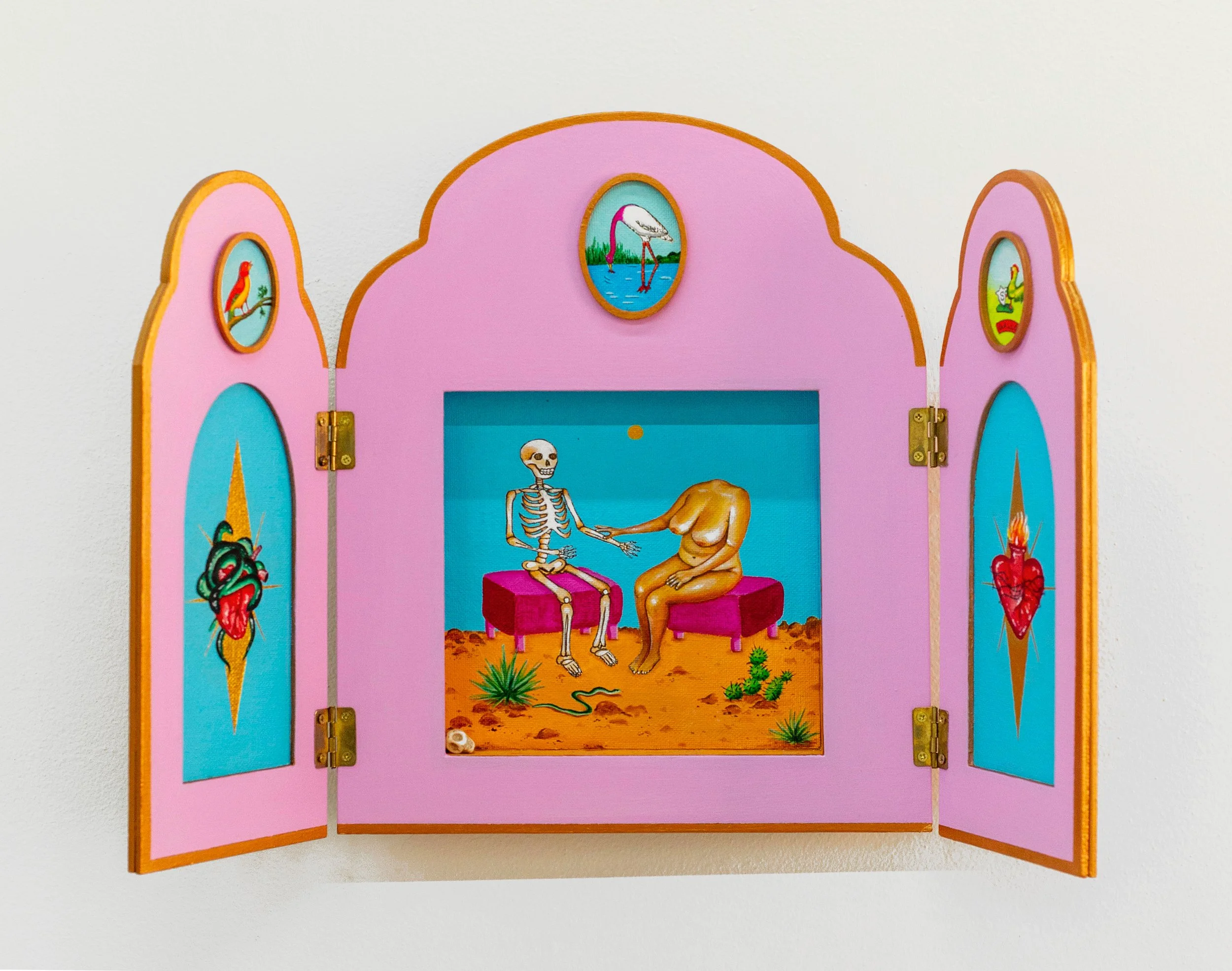
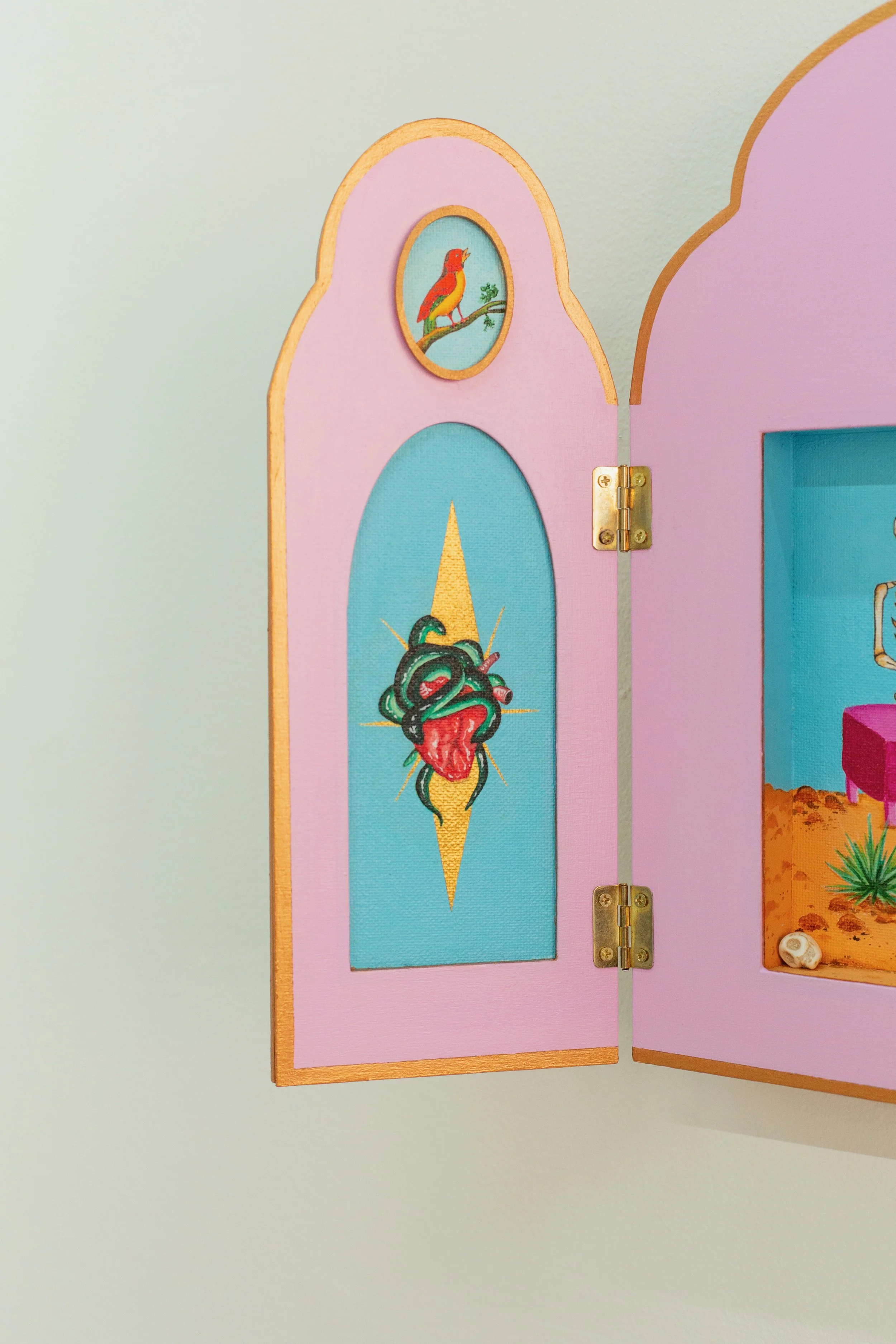
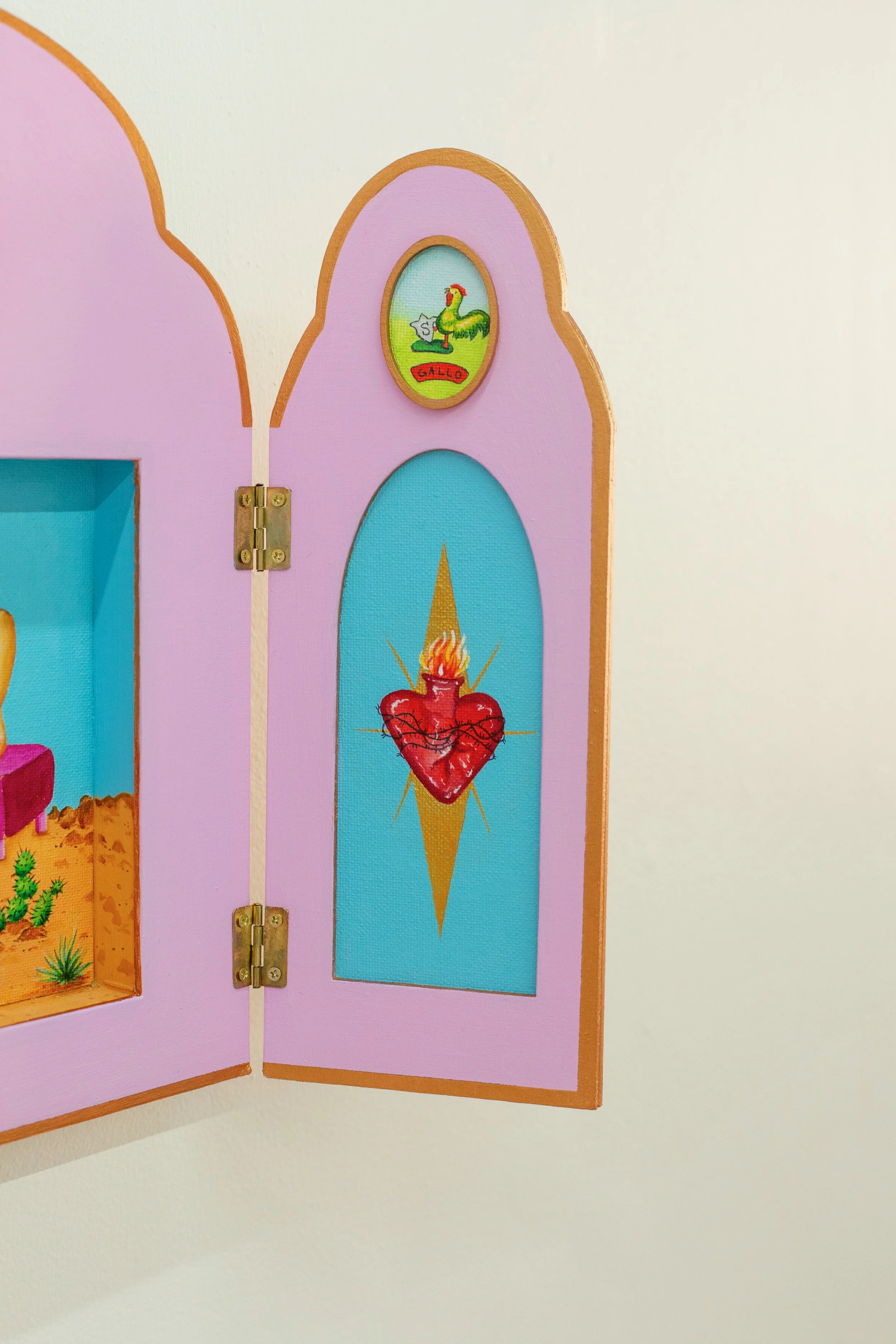
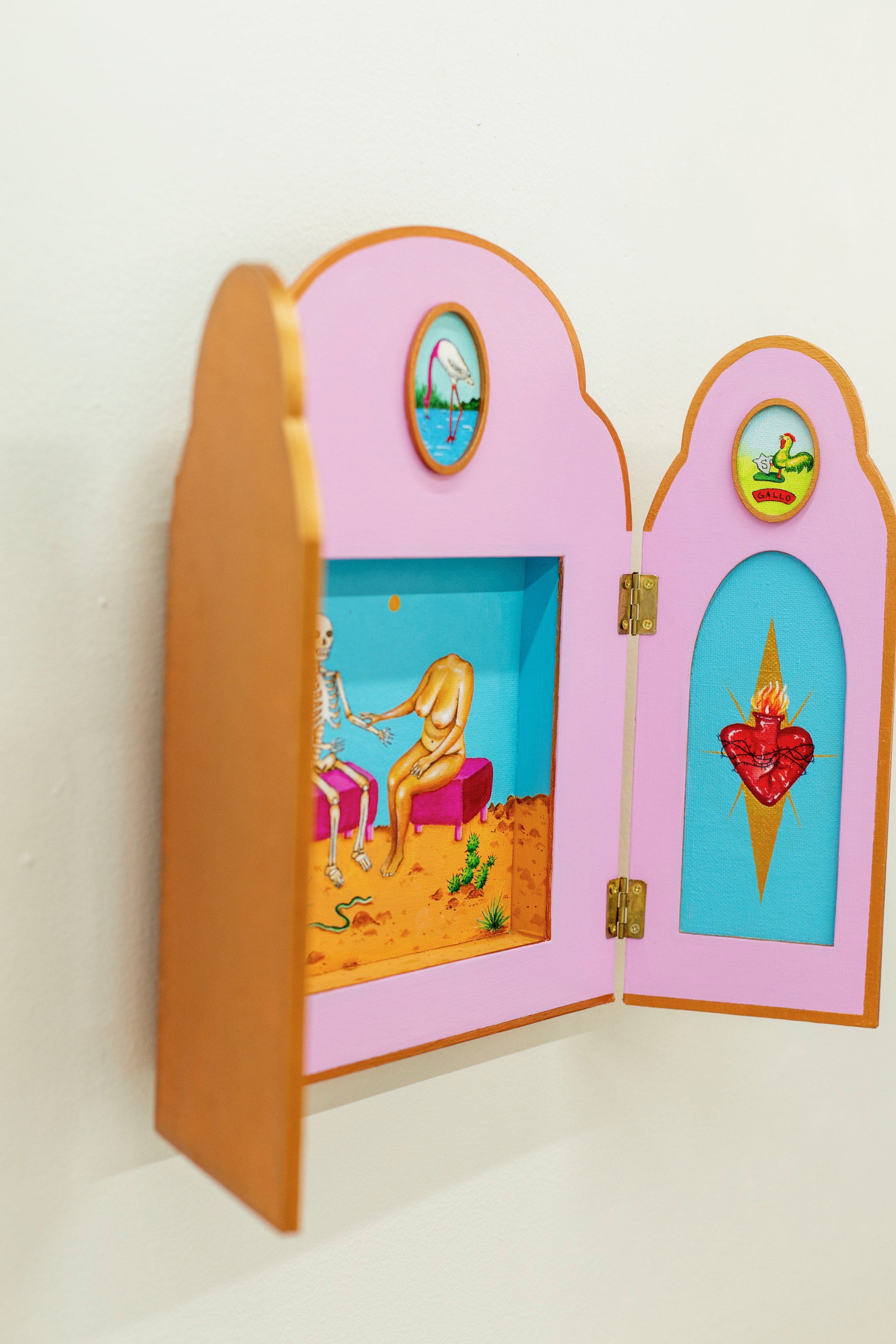
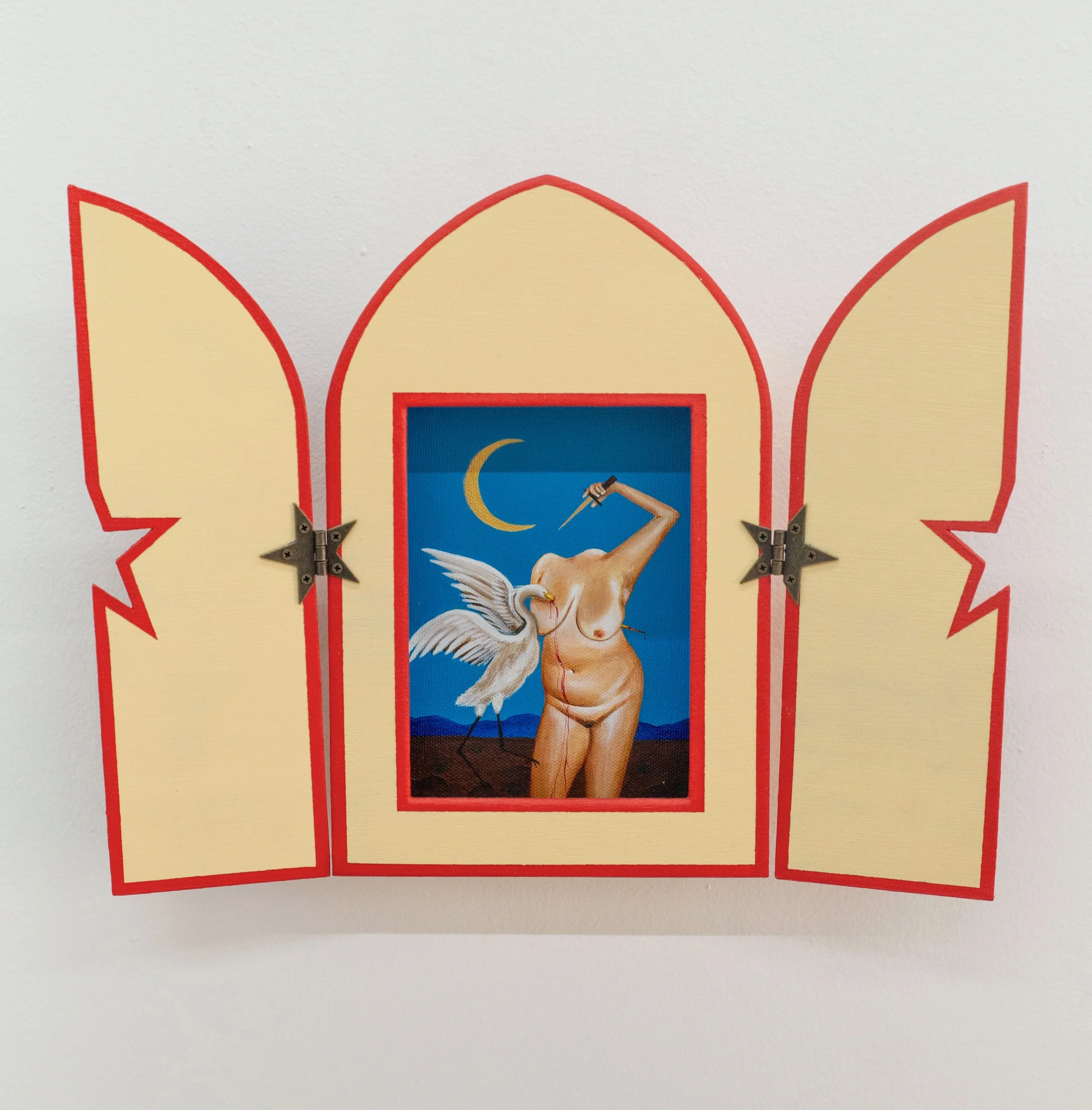
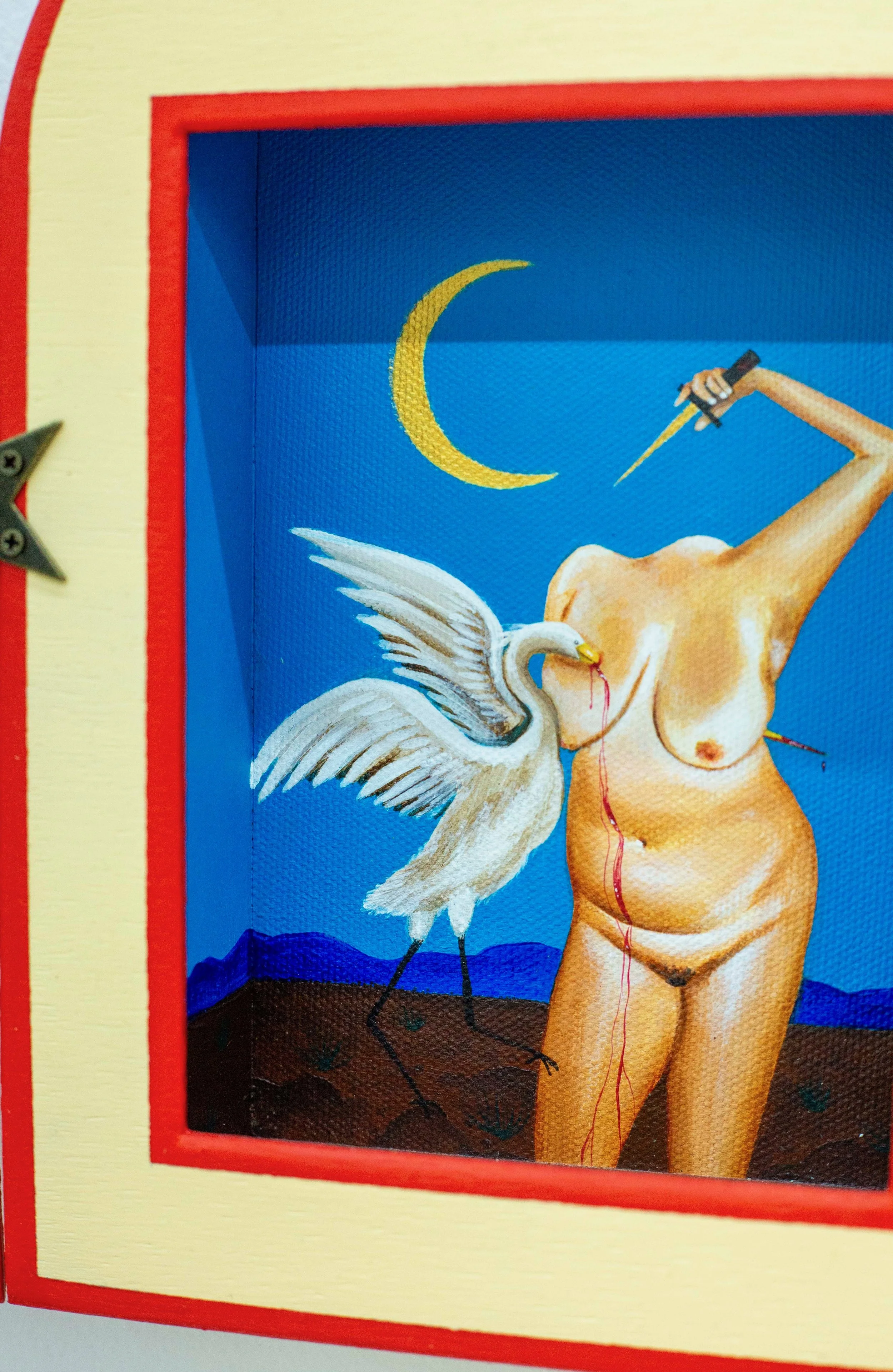
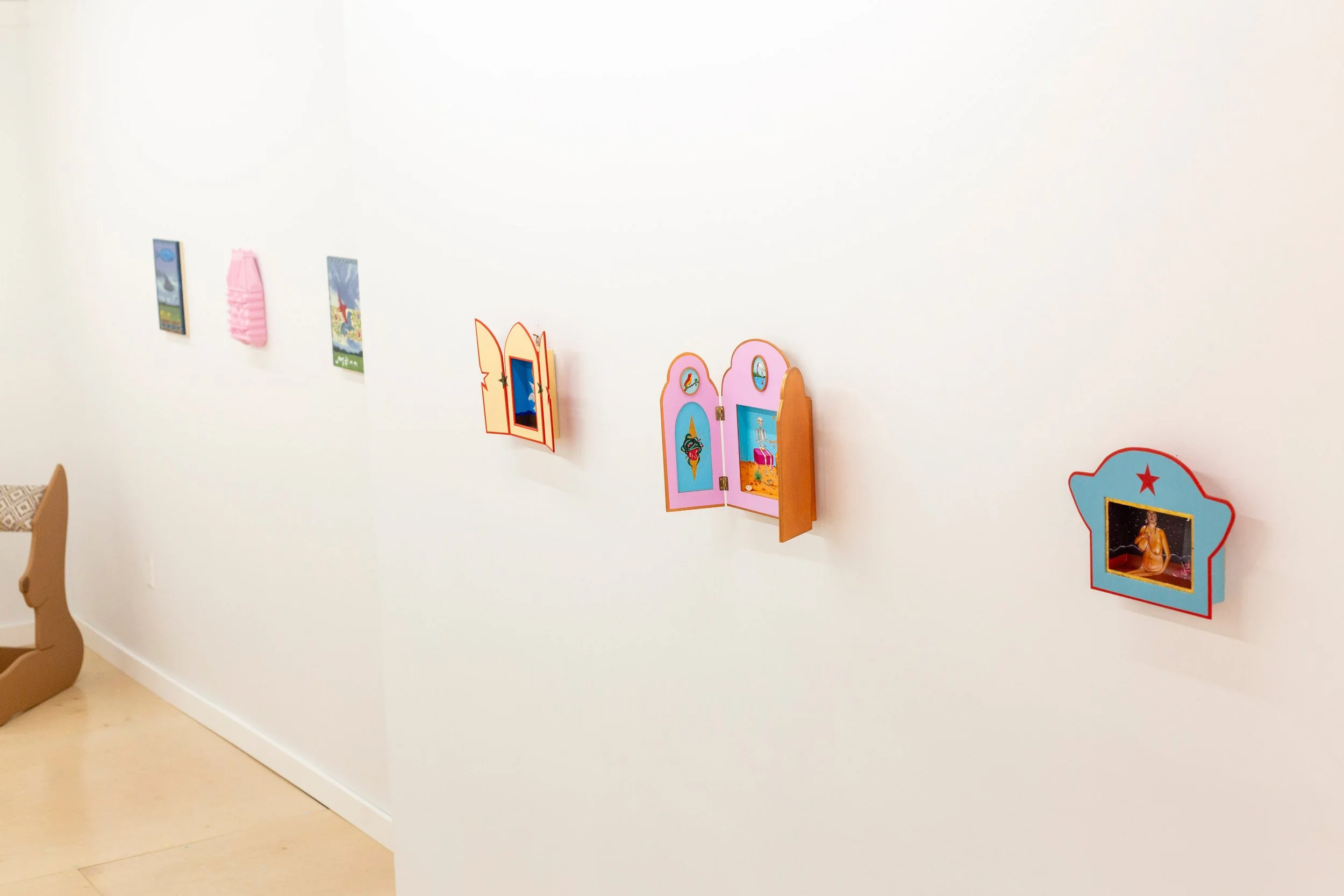
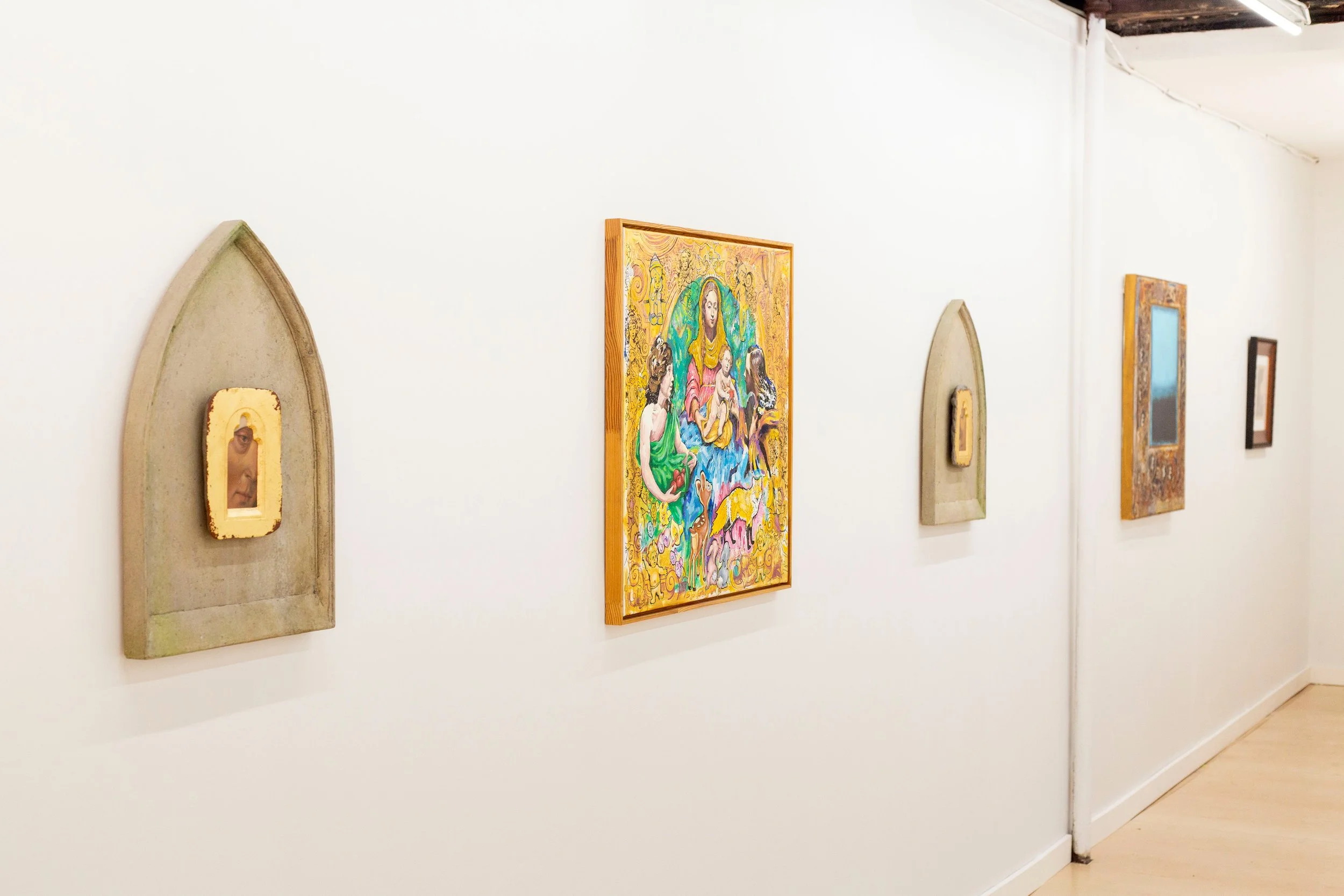
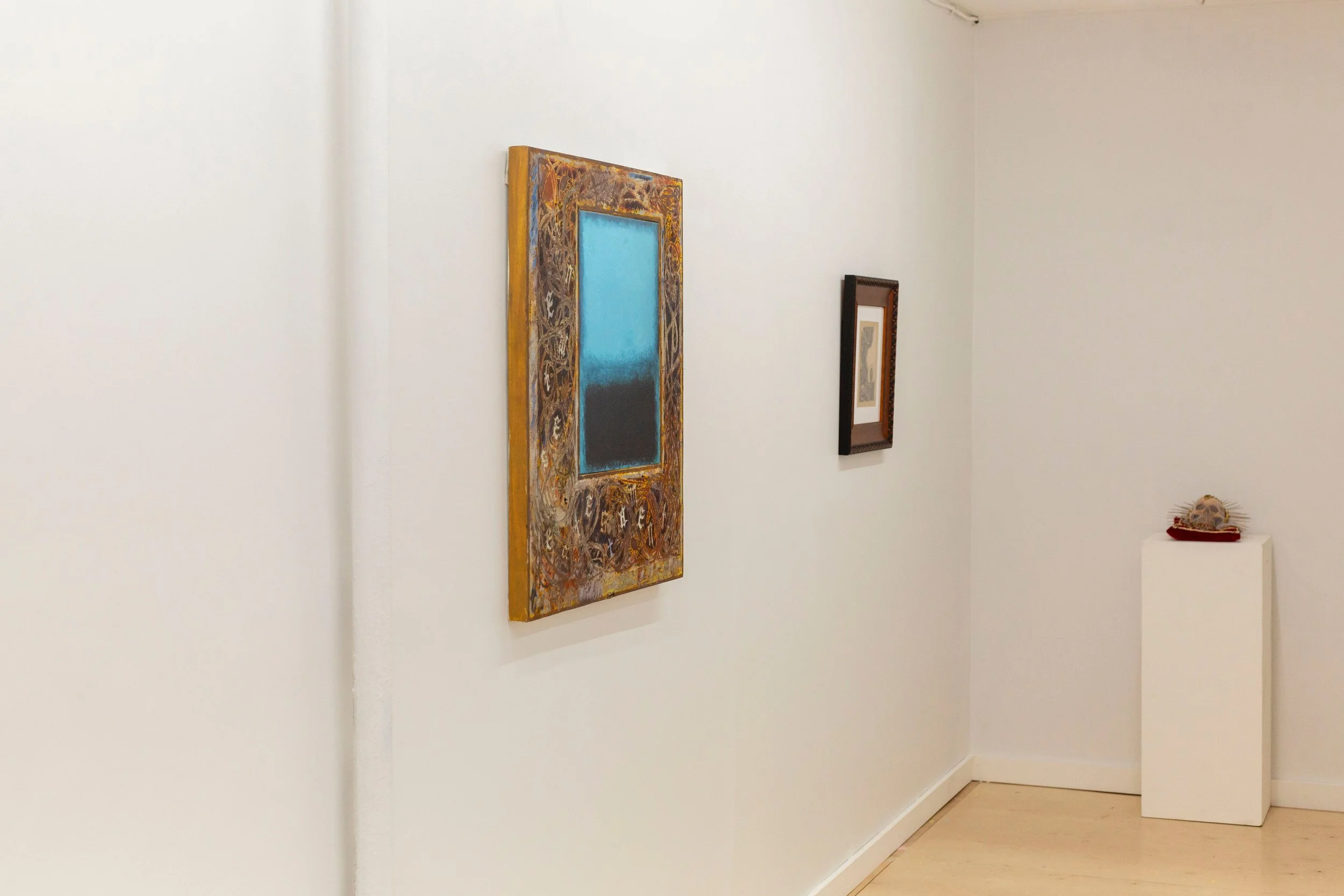
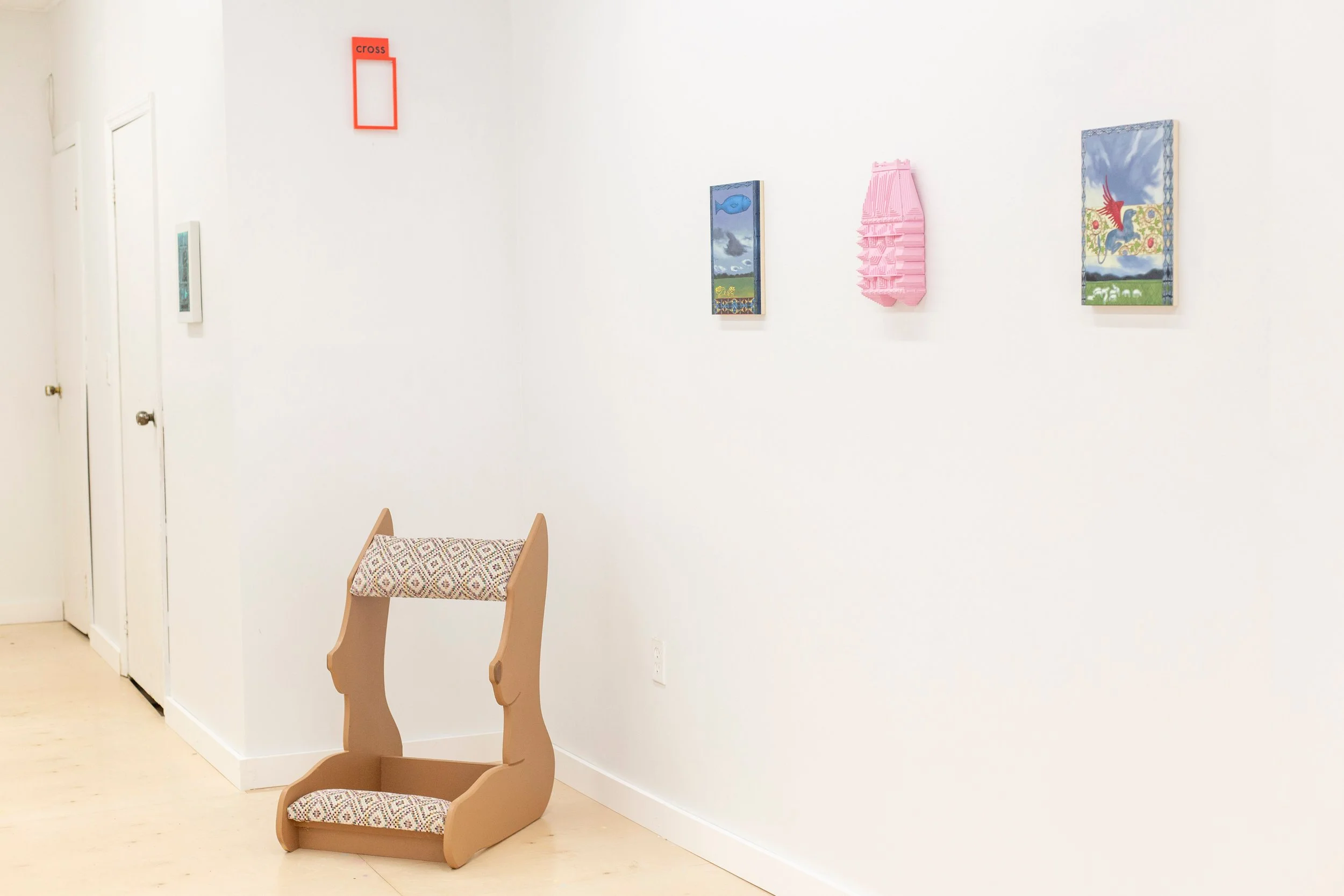
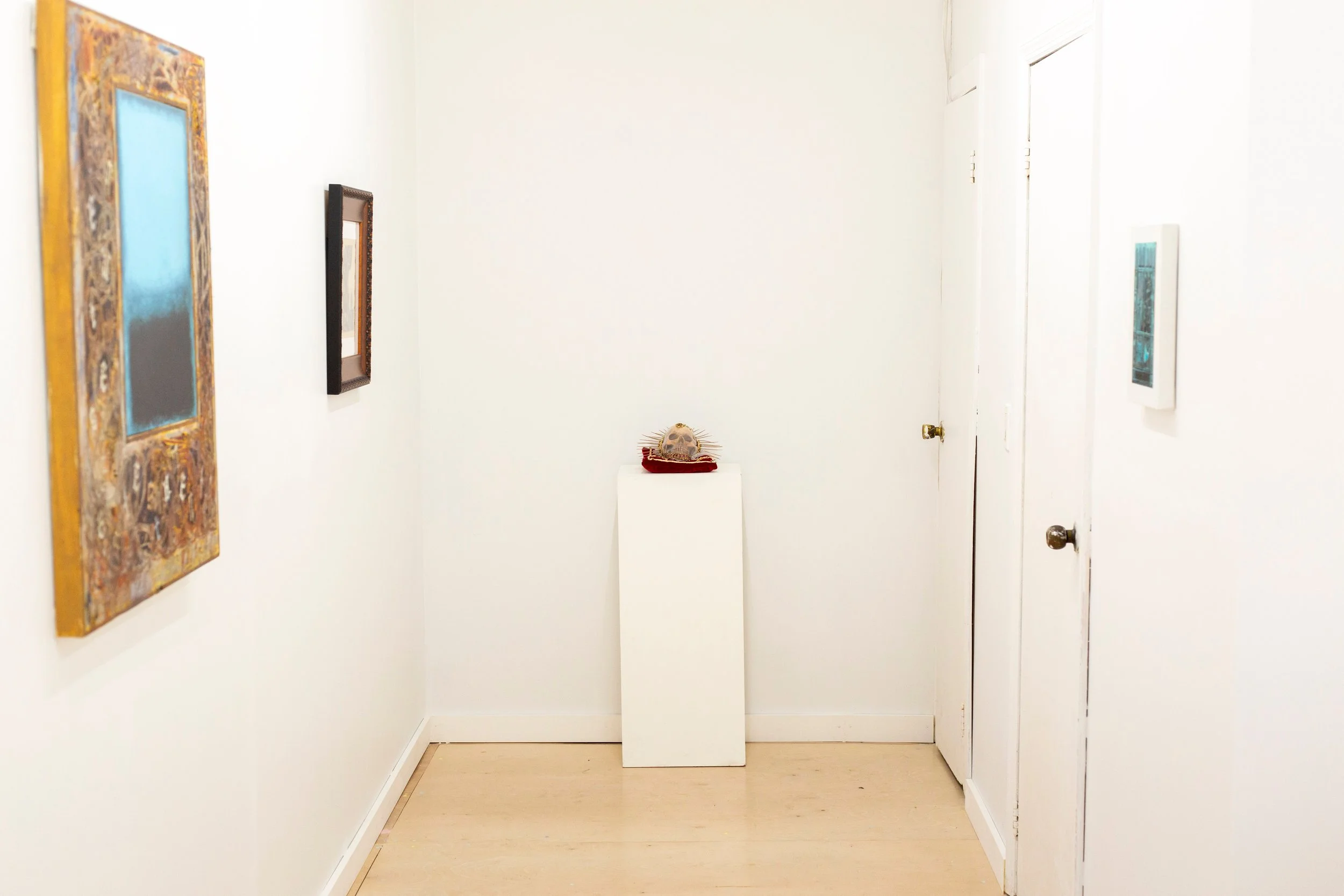
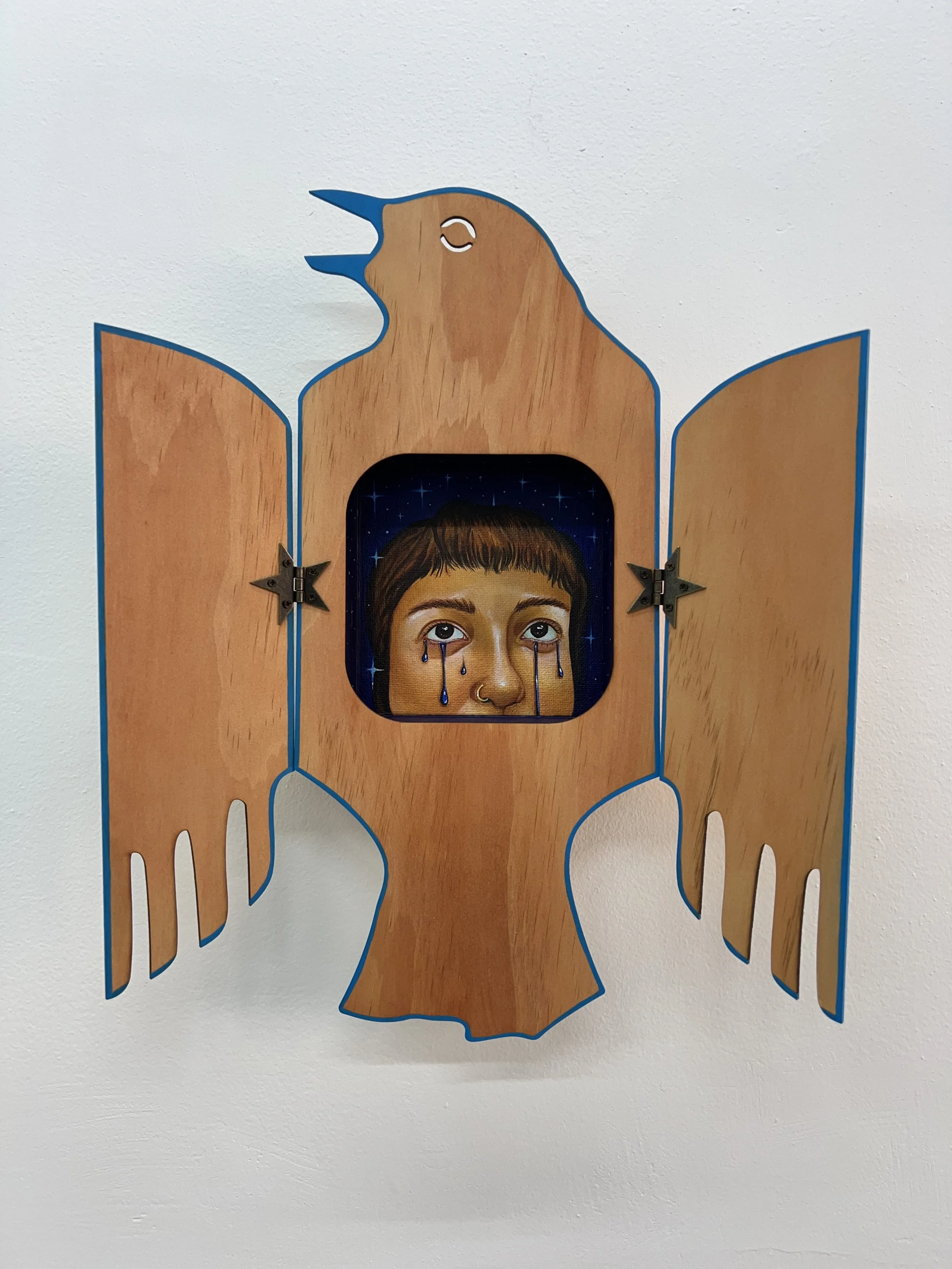
Rather than asking whether the works in Borderline are themselves religious, the exhibition looks at the structures through which objects and images become devotional. Frames, relics, niches, shrines, fragments, and thresholds recur throughout the exhibition. Some works invoke familiar religious imagery, from sacred hearts and saints to the architecture of the altarpiece; elsewhere, religious meaning emerges by implication, as ordinary materials and spaces become charged or transformed.
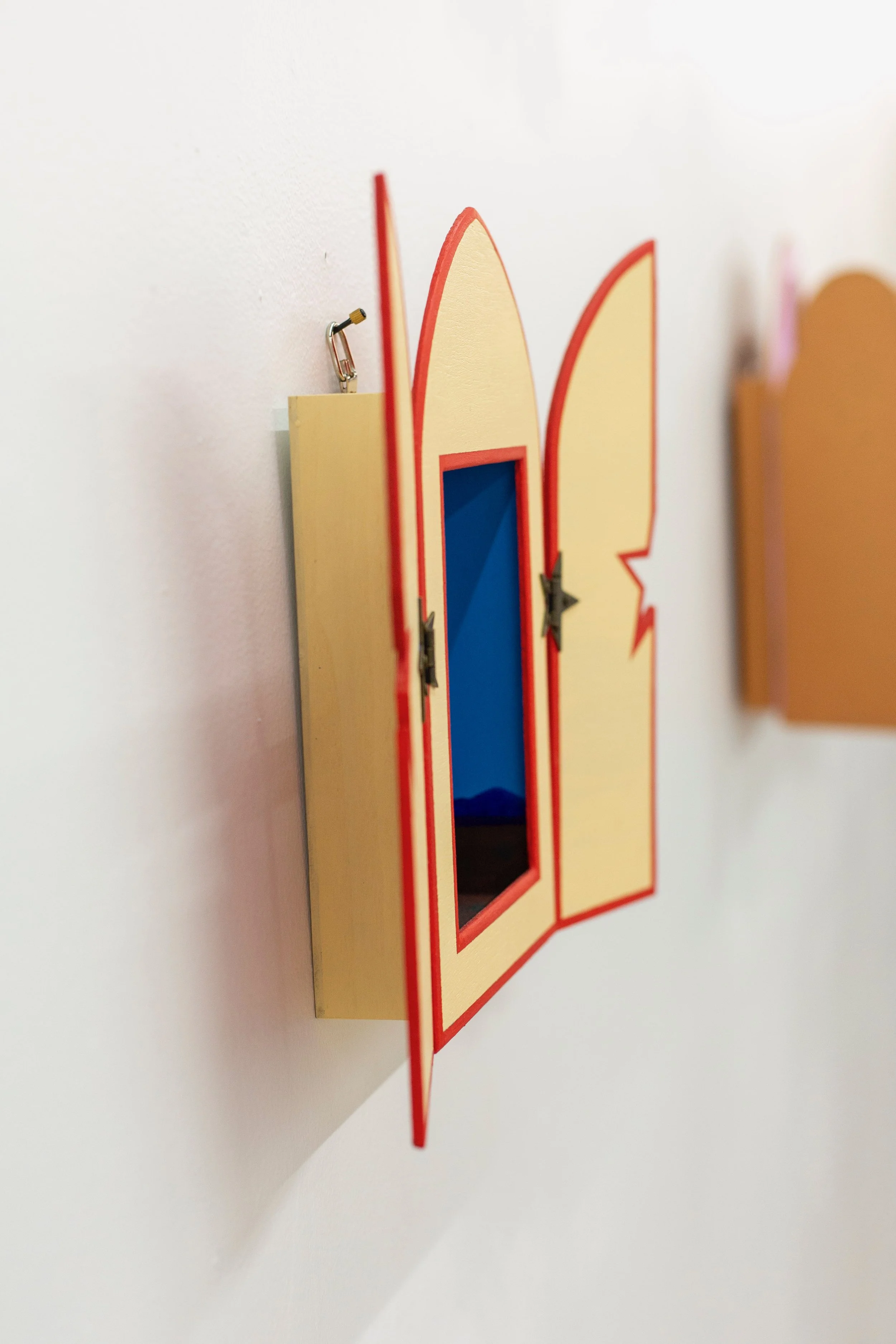
At the center of the exhibition is the idea of the border as both a visual device and a spiritual condition. A border can protect, isolate, sanctify, or contain; it can also operate as a threshold between different orders of meaning. Historically, such structures did more than surround sacred images: they shaped how those images were approached and understood.
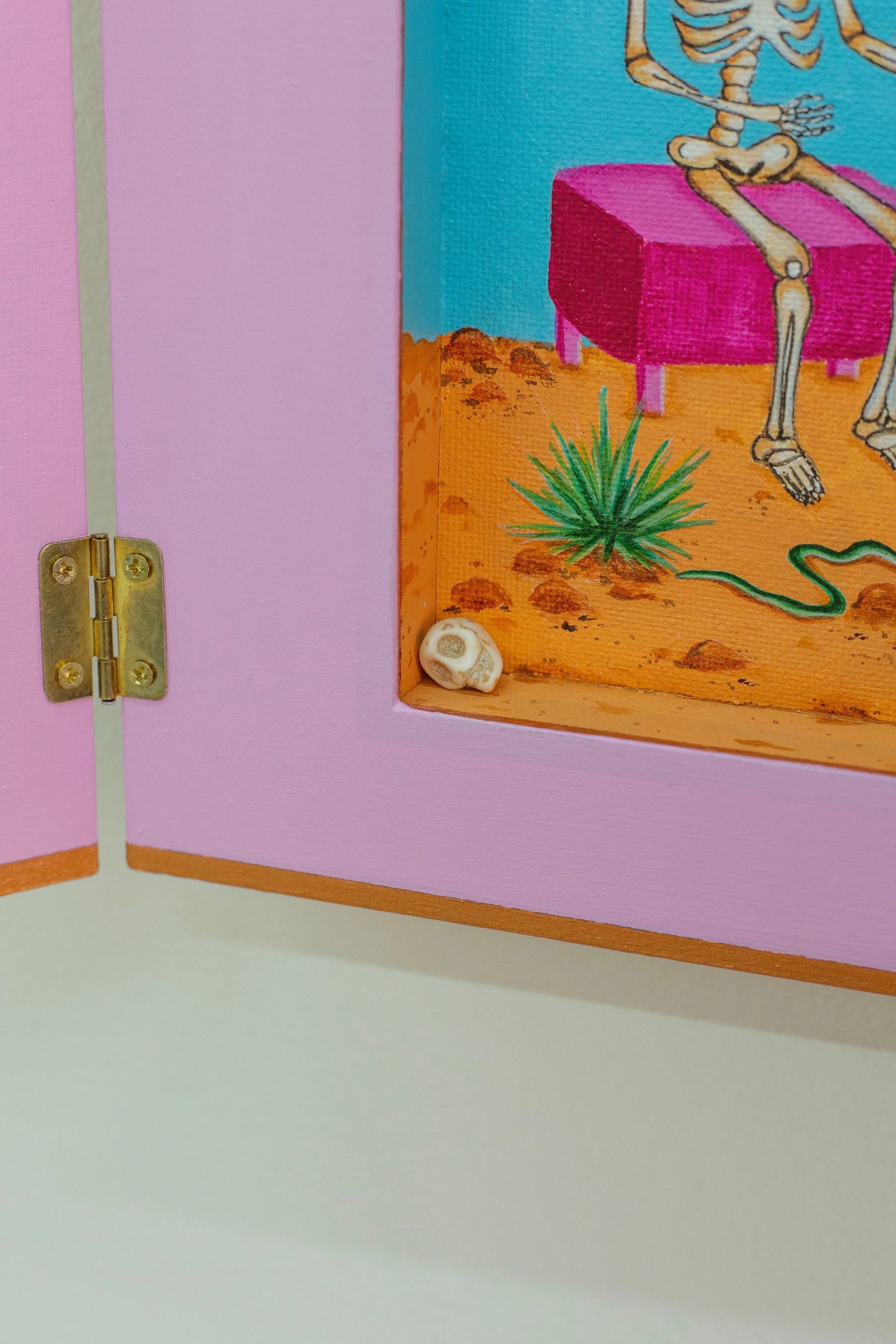
The artists in Borderline inherit these structures but rarely leave them intact. A frame begins to resemble a cross; a sculptural container suggests an absent relic; a fragment assumes the significance of a body. Elsewhere, an entire room takes on the intimacy and concentration of a private ritual. In this sense, the exhibition proposes the sacred image as a technology of attention— something produced not simply by what an image depicts, but by the structures, behaviors, and expectations surrounding it.
The exhibition moves between questions of divinity, martyrdom, protection, and loss and they interact with more secular languages of popular culture, identity, and personal mythology. Sacred language becomes elastic—at times unmistakable, at others ghosted into a gesture, a surface, or an absence.
Borderline: Spirituality in Translation asks what survives when an icon is broken, emptied, secularized, or translated into another visual language. Rather than treating spirituality as a closed historical category, the exhibition approaches it as a living set of visual gestures—ones contemporary artists continue to borrow, distort, mourn, reanimate, and remake.